
High-Rise Ute Canopy vs. Standard Canopy: Which Is Right for Your Application?
Choosing a ute canopy is not just about how much storage space you can get. Height, access, vehicle use and the equipment you carry all affect whether a canopy works well in everyday conditions.For 4WD accessory distributors, vehicle fitment specialists and commercial fleet suppliers, understanding these differences can also help match the right configuration to different customers.
What Is the Difference Between a High-Rise and Standard Canopy?
A standard-height canopy generally follows the height of the ute's tub or sits relatively close to the vehicle's existing profile. It provides enclosed storage while maintaining a more compact overall shape.
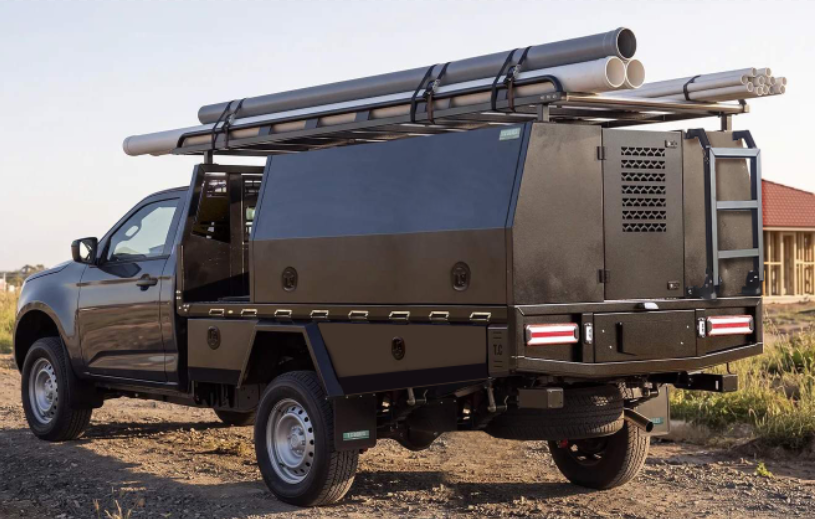
A high-rise ute canopy extends above the tub or standard canopy profile, creating additional vertical space. Depending on its design, this can make it easier to accommodate taller equipment, bulky tools or specific storage arrangements.
The exact height, internal clearance and compatibility depend on the vehicle and canopy design.
1. Consider What You Need to Carry
Start with the equipment rather than the canopy itself.
If the load mainly consists of smaller tools, camping equipment or general cargo, a standard-height design may provide enough room.
If you regularly carry taller items, bulky equipment or purpose-built storage systems, a high-rise design may offer more useful space.
Before choosing, measure your tallest items and allow room for doors, handles and any internal fittings.
2. Think About Access and Daily Use
Storage capacity means little if the equipment is difficult to reach.
Consider how you normally load and unload the vehicle. Side-access doors, rear access, internal shelves and drawer systems can all influence how practical a canopy is.
For tradespeople, frequent access to tools may matter more than maximum enclosed volume. For other applications, keeping larger equipment protected may be the priority.
The best configuration depends on how the vehicle is used throughout the day.
3. Check Vehicle Compatibility
Not every canopy fits every ute.
Important details include the vehicle make and model, model year, tub dimensions, mounting points and the design of the tailgate or rear opening.
For distributors and installers, confirming fitment information before ordering helps reduce compatibility problems and unnecessary installation work.
4. Consider Weight and Load Limits
A larger canopy can provide more space, but it may also add more weight.
Consider the canopy's own weight, the equipment stored inside it and any additional accessories. Roof-mounted equipment may introduce further loading and vehicle-height considerations.
Always check the vehicle manufacturer's payload limits and the applicable limits for the canopy, mounting system and roof equipment. More storage does not automatically mean more carrying capacity.
5. Match the Canopy to the End User
Different users need different configurations.
Trades and service vehicles: Prioritise tool access, secure storage and practical organisation.
4WD and touring: Consider equipment dimensions, weather protection and accessory compatibility.
Commercial fleets: Focus on repeatable fitment, serviceability and consistent specifications.
Accessory distributors: Consider which configurations can meet the needs of several customer groups without unnecessary complexity.
Can a Custom Ute Canopy Be a Better Option?
Sometimes, the challenge is not choosing between two standard heights. It is finding a configuration that accommodates specific equipment, access requirements or vehicle applications.
Custom development may involve adjusting dimensions, door positions, mounting arrangements or internal storage provisions. These changes should be evaluated against structural requirements, vehicle compatibility, production feasibility and cost.
For B2B buyers, it is useful to define the application and required configuration before requesting a quotation.
Final Thoughts
There is no single canopy height that suits every ute.
A standard-height canopy may be sufficient for everyday enclosed storage, while a high-rise canopy may be more suitable when additional vertical clearance is needed.
The practical starting point is simple: identify what needs to fit inside, how frequently it must be accessed and what the vehicle can safely carry.
Looking for a canopy configuration for your market or application?
PULS TOOLS works with B2B buyers on ute canopy and vehicle accessory requirements. Contact us with your target vehicle, intended use and preferred configuration to discuss a suitable solution.