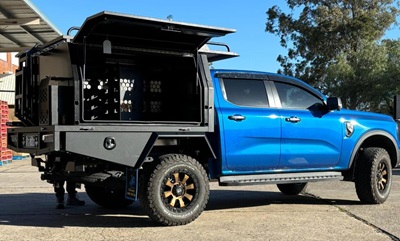

How to Choose a Pickup Bed Cap for Work Trucks: 5 Things to Consider
A pickup bed cap can turn an open truck bed into a more protected and organised storage area.But for a work truck, choosing the right cap involves more than appearance.
Internal clearance, side access, mounting, vehicle compatibility and load limits all affect how useful the finished setup will be.
For truck accessory distributors, upfitters and fleet suppliers, these five considerations provide a practical starting point.
1. Start With the Exact Truck and Bed Configuration
Fitment should be confirmed before comparing product features.
Check the truck's make, model, model year, cab configuration and bed length. Also confirm the bed's dimensions, rail arrangement and any existing accessories that could affect installation.
Two trucks with similar overall dimensions may have different bed configurations or mounting requirements.
For B2B orders, accurate fitment information is particularly important when supplying multiple vehicle models or developing a product for a specific market.
2. Choose the Right Internal Height
The required height depends on what the truck needs to carry.
A lower-profile bed cap may suit general cargo and everyday storage.A high-rise truck bed cap can provide additional vertical clearance for taller tools, equipment or specialised storage layouts.
Before selecting a design, consider:
·The height of the tallest items being carried.
·Whether equipment needs to remain upright.
·Space required for drawers, shelves or other internal fittings.
·The overall vehicle height after installation.
Measure the usable internal space rather than relying on external dimensions alone.
3. Pay Attention to Door Design and Access
A well-planned storage area should be easy to use.
Side-opening doors can make frequently used tools more accessible, while rear access may be convenient for loading larger items. The appropriate layout depends on the truck's parking environment, the position of the stored equipment and how the vehicle is used.
For service vehicles, consider whether users can reach common tools without unloading other equipment first.
For distributors and installers, door positions and opening clearances are useful details to confirm before ordering.
4. Evaluate Weight, Mounting and Load Limits
The weight of a bed cap affects the truck's remaining payload capacity.
The complete setup may also include racks, ladders, tools, drawers and other accessories. These additions need to be considered together rather than individually.
Check the truck manufacturer's payload requirements and the rated limits of the cap, mounting hardware and any rack system. Roof loads must also comply with the relevant dynamic or static limits, where applicable.
Installation should follow the product specifications and the vehicle's requirements. Do not assume that a cap designed for one truck will be suitable for another.
5. Think About the Complete Work Setup
A bed cap rarely works in isolation.
Depending on the application, a work truck may also need shelving, storage drawers, lighting, mounting points or a roof rack.Planning these elements together can help avoid wasted space and access problems.
For example, a vehicle carrying long equipment may need a different internal layout from one carrying hand tools and smaller parts.
For fleet buyers, consistency across vehicle builds may also simplify installation, maintenance and future replacement.
Standard Product or Custom Bed Cap?
A standard configuration may be the simplest option when the vehicle, dimensions and application match an existing design.Custom development may be worth considering when a project requires a particular height, access arrangement, mounting solution or accessory layout.Before requesting a quotation, prepare the following information:Truck make, model, year and bed length.Required internal and external dimensions.Preferred door positions and opening directions.Accessories to be fitted.Estimated order quantity and target market.Photos, sketches or drawings can help clarify requirements during the initial discussion.
Final Thoughts
The right pickup bed cap should suit both the truck and the job.
Confirm fitment first, measure the usable space, plan access carefully and evaluate the weight of the complete setup. These steps help buyers compare products on practical value rather than appearance alone.
Developing a pickup bed cap for your product range?
PULS TOOLS supports B2B discussions around pickup bed caps, vehicle fitment and custom configurations. Share your target truck models and application requirements to start a more focused conversation.